Why the Best Interiors Start Outside the Building
Great interior design starts before you're inside. Discover how site analysis shapes light, layout, and comfort at Solum.
Date
Time
7 min read
Category
Insights
When people think about interior design, they usually picture the inside of a room — the furniture, the finishes, the color of the walls. But at Solum, some of our most important design decisions happen before we ever step inside.
The site comes first
Every building sits somewhere specific — facing a certain direction, catching light at a certain angle, surrounded by certain sounds, views, and weather patterns. Ignore these details and even a beautifully furnished room can feel flat or uncomfortable. A living room with the "wrong" orientation might look stunning in photos but feel cold and dim for half the year. A bedroom that seems peaceful on paper might sit directly above a busy street.
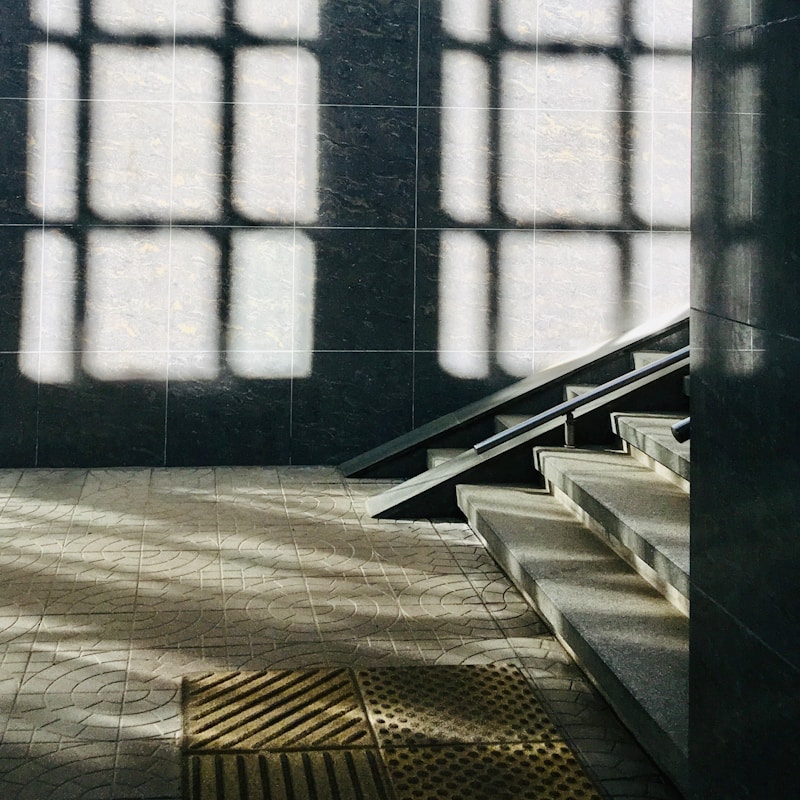
This is why our process always starts with site analysis, long before any interior concepts are drawn. We study how light moves through a space across the day and across seasons, where sound travels, what views are worth framing and which should be softened or hidden. These aren't just architectural concerns — they shape every interior decision that follows, from where we place a reading chair to how we choose glazing and window treatments.
Interiors as a response, not a decoration
A space that's designed with its site tends to need less decoration to feel right. When a room is oriented to catch morning light where you'll actually use it — a kitchen, a breakfast nook — it already feels warm and alive before a single piece of furniture is chosen. When a living space is positioned to frame a specific view rather than an awkward one, the room does some of the emotional work on its own.
This is the difference between decorating a room and designing a space. Decoration adds surface-level polish. Design responds to the conditions already present — light, orientation, sound, movement — and builds the interior experience from there. It's slower, and it asks more questions upfront, but it produces spaces that feel effortless rather than styled.
The next time a room feels "off" despite good furniture and a nice color palette, it's worth asking: was this space designed around its site, or was it just decorated inside four walls? The answer is often the real explanation.
Join Our Newsletter
Get occasional updates on new projects, design insights, and studio news, straight to your inbox, no clutter.
Date
Time
7 min read
Category
Insights
When people think about interior design, they usually picture the inside of a room — the furniture, the finishes, the color of the walls. But at Solum, some of our most important design decisions happen before we ever step inside.
The site comes first
Every building sits somewhere specific — facing a certain direction, catching light at a certain angle, surrounded by certain sounds, views, and weather patterns. Ignore these details and even a beautifully furnished room can feel flat or uncomfortable. A living room with the "wrong" orientation might look stunning in photos but feel cold and dim for half the year. A bedroom that seems peaceful on paper might sit directly above a busy street.
This is why our process always starts with site analysis, long before any interior concepts are drawn. We study how light moves through a space across the day and across seasons, where sound travels, what views are worth framing and which should be softened or hidden. These aren't just architectural concerns — they shape every interior decision that follows, from where we place a reading chair to how we choose glazing and window treatments.
Interiors as a response, not a decoration
A space that's designed with its site tends to need less decoration to feel right. When a room is oriented to catch morning light where you'll actually use it — a kitchen, a breakfast nook — it already feels warm and alive before a single piece of furniture is chosen. When a living space is positioned to frame a specific view rather than an awkward one, the room does some of the emotional work on its own.
This is the difference between decorating a room and designing a space. Decoration adds surface-level polish. Design responds to the conditions already present — light, orientation, sound, movement — and builds the interior experience from there. It's slower, and it asks more questions upfront, but it produces spaces that feel effortless rather than styled.
The next time a room feels "off" despite good furniture and a nice color palette, it's worth asking: was this space designed around its site, or was it just decorated inside four walls? The answer is often the real explanation.
Join Our Newsletter
Get occasional updates on new projects, design insights, and studio news, straight to your inbox, no clutter.